Bookmark this site Online message 中文站Welcome to the official website of Beijing Yuanlai Water Treatment Equipment Co., LTD.!
Service Hotline
+86 010 59792055 / +86 13910114728

Simply put,Water treatmentIt is the process of removing some harmful substances in water that are not needed for production and daily life through physical and chemical means. It is a process of water quality conditioning such as sedimentation, filtration, softening, coagulation, flocculation, as well as corrosion inhibition and scale prevention, carried out for specific uses. As social production and life are closely related to water. Therefore, the application scope involved in the water treatment field is extremely wide, forming a huge industrial application.
As an environmentalist, what basic knowledge about water treatment do you know? Here are some related contents to share with you all.
Raw water
It refers to natural water or urban tap water that has not undergone any treatment, also known as raw water.
Clear water
Water from which suspended impurities in the raw water have been removed.
Hardness
It refers to the content of calcium and magnesium ions in water sources, the total amount of substances in water that can neutralize strong alkali, usually expressed as the number of particles/GallongpgTo express.
Electrical conductivity
It is an indicator representing the conductivity of dissolved ions in water. The unit isμs/cm. It is a simple method for measuring the ion concentration in water, and the electrical conductivity increases with the increase of ion concentration in water. In an ultrapure water system, the precise conductivity value is measured online; otherwise, the conductivity value of the ultrapure water exposed to the air will change due to the dissolution of carbon dioxide.
Resistivity
It is also an indicator reflecting the electrical conductivity of water. The greater the resistivity of water, the worse its electrical conductivity, and the fewer ions it contains. Its common unit isMΩ.CM. It has an inverse relationship with electrical conductivity. For example: The electrical conductivity of water is0.2μs/cm,Then its resistivity is1/0.2=5(MΩ.CM"
Demineralized water
Water in which the cations and anions have been basically removed or reduced to a certain extent is called demineralized water. The methods of desalination include distillation, electrodialysis, reverse osmosis, ion exchange, etc.
SDI(Pollution Index
Pollution index - used to measure the amount of suspended solids in the raw water used in reverse osmosis systems. From deep well waterSDIThe value is less than or lower than3The turbidity is less than1For surface water, to achieveSDIIn accordance with the requirements of turbidity, a pretreatment process is adopted to remove suspended solids and colloidal particles. UsuallyROThe inlet water requirement is waterSDILess than4.
TDS(Total dissolved solids)
It is to filter out suspended solidsSSThe remaining inorganic substances after evaporating all the moisture with the colloid. The unit isppmormg/lIt can be used.TDSMeasure with an instrument. It also reflects the ion content in water. A rough correspondence between it and electrical conductivity: For a sodium chloride reference solution,1ppmtheTDSValue correspondence2μs/cmThe electrical conductivity.
PHvalue
The relative content of acid and base in a solution.pHThe value is the negative logarithm of the hydrogen ion concentration in water.logThe measurement unit of).pH"Value points"0~14Stop!pHThe value is7.0Then water is neutral;pHValue less than7.0Then water is acidic.pHValue greater than7.0. Then water is alkaline.
Scale
That is, due to poor water quality in the boiler, solid deposits form on the tube walls where the heating surface comes into contact with water after a period of operation.
Water production volume
Water production (water flux) refers to the capacity of a reverse osmosis system, that is, the amount of water passing through the membrane per unit time, usually in tons/Hourt/hOr gallons/"Heaveng/dTo express.
Desalination rate
The parameters reflecting the performance of the membrane are usually of the first gradeROThe desalination rate of the membrane system is97%That's all. It can be simply calculated: (The conductivity of the raw water-The electrical conductivity of product water/The electrical conductivity of raw water.
Recovery rate
It refers to the ratio of the flow rate of the product water produced by the system to the inflow rate.
Residual chlorine
The available chlorine remaining in water after it has been chlorinated and in contact for a certain period of time. Here it refers to free chlorine.ROMembrane elements do not allow the presence of free chlorine, so strong oxidants are not allowed in the reverse osmosis feed water and should be removed. The method of adding a reducing agent or adsorption with an activated carbon filter is often adopted.
Salt content
The salt content of water, also known as the mineralization degree, indicates the quantity of salts contained in water. Since various salts in water generally exist in the form of ions, the salt content can also be expressed as the sum of the amounts of various cations and anions in water.
Turbidity
It refers to the turbidity of water, which is an optical effect caused by the presence of certain suspended substances (including colloidal substances) in water. For use in unitsNTUIndicated. Turbidity is one of the main characteristics for judging whether water has been polluted by appearance. The standard unit of turbidity is defined as1mgSi02The turbidity formed is1Degree.
Pure water
Pure water refers to water from which both the strong dielectrics that are easy to remove and the weak electrolytes such as silicic acid and carbon dioxide that are difficult to remove have been removed to a certain extent. The salt content of pure water is1.0mg/LAs follows,The electrical conductivity is less than3μs/cm.
Scale inhibitor
It is a type of chemical agent that can disperse insoluble inorganic salts in water, prevent or interfere with the precipitation and scaling of insoluble inorganic salts on metal surfaces, and maintain good heat transfer effects of metal equipment.
Flocculant
Agents that can cause colloidal particles to coagulate and bridge, thereby undergoing flocculation.
Ultra-pure water
Ultra-pure water, also known as high-purity water, refers to water from which almost all conductive media have been removed, and to a very low extent, colloidal substances, gases and organic matter that do not dissociate in water have also been removed. The salt content of ultrapure water is0. 1mg/LAs follows,The electrical conductivity is less than0. 1μs/cm.
In addition to strict requirements for salt content or electrical conductivity, pure water and ultrapure water also have strict index restrictions on the content of various metal ions, organic matter, particle size and quantity, and the number of microorganisms in the water.
Ion exchange resin
Ion exchange resins are insoluble high-molecular compounds with functional groups (active groups capable of exchanging ions) and a network structure. It is usually spherical particulate matter.
Adsorption
It refers to the method of purifying wastewater by using porous solids to adsorb one or several pollutants in wastewater to recover or remove certain pollutants.
Ozone
An unstable and highly reactive form of oxygen, it is produced by natural lightning or high-voltage charges passing through the air and is an excellent oxidant and agent.
EDI
EDI(Electrodeionization)It is abbreviated as continuous electro-deionization,is20Century90A new type of ultra-pure water preparation technology that has gradually developed over time. It ingeniously combines electrodialysis technology with ion exchange technology,Through the selective permeation of anions and cations by anion and cation exchange membranes and the exchange of ions by ion exchange resins,The ion directional migration in the concentrated water chamber is achieved under the action of a direct current electric field,Thus, deep desalination of water is completed to obtain ultrapure water,At the same time, water molecules are electrolyzed into hydrogen ions and hydroxide ions,Regenerate the resin,Eliminate the traditional acid-base chemical regeneration.EDIIt has relatively high requirements for the feed water, which is reverse osmosis product water or water quality equivalent to reverse osmosis product water.
Water slag
It refers to the solid substances in a suspended state in the boiler water and the sediment deposited at the bottom of the steam drum, lower tank and other places with slow water flow. The difference from scale: Water slag is relatively loose, in a suspended or sediment state, and some of it is easily discharged along with the boiler blowdown. Scale can firmly adhere to the pipe wall and is not easy to be drained away.
Iron, manganese, aluminium
Even trace amounts of iron and manganese can cause problems such as staining, scaling and odor. In a reduced state, iron exists in the form of water-soluble divalent iron. When it comes into contact with air, it gradually oxidizes into yellowish-brown colloidal trivalent iron and then precipitates as brown ferric hydroxide. The properties of manganese are similar to those of iron, as are the oxides of iron, manganese and aluminiumROOne of the reasons for membrane fouling is that it is necessary to analyze its content.
Suspended matter
It refers to solid substances suspended in water, including inorganic and organic substances that are insoluble in water, as well as sand, clay, microorganisms, etc. The content of suspended solids in water is one of the indicators for measuring the degree of water pollution. It is a water sample that has been filtered103-105The amount of solid obtained by drying the retained substances on filter paper at a certain temperature. "Unitmg/l.
Commonly used pure water treatment processes
The raw water is groundwater
Sand filter+Precision filter+Reverse osmosis+Mixed bed orEDI
The raw water is tap water
Sand filter+Activated carbon filter+Precision filter+RO+Mixed bed orEDI
The raw water is surface water
①Multi-media filter+Activated carbon filter+Precision filter+RO+Mixed bed orEDI
②Multi-media filter (or other types of filter)+Ultrafiltration+Precision filter+RO+Mixed bed orEDI
③Disc filter+Ultrafiltration+Precision filter+RO+Mixed bed orEDI
......
The uses of pure water
Pure water and ultrapure water are widely used in power plants, electronics, medicine and chemical industries. Through the filtration of various membranes or ion exchange, harmful ions in water are removed.
Power plants: The main indicators of the water quality of the desalinated water commonly used in power plants are: hardness approximately equal to zero and electrical conductivity≤0.2μs.cm,SiO2≤20ppb.
Chemical plants: The water used in the chemical industry is diverse. Generally, the water quality requirements are not higher than those in power plants, but there may be requirements for certain ions. Therefore, single-stage or two-stage reverse osmosis processes are commonly used. The conductivity of the effluent water quality is5~10μs.cmThat's all. If there are higher requirements, a mixed bed orEDI.
Pharmaceutical industry: Pharmaceutical water often has requirements for electrical conductivity and material quality, and there are also requirements for the material quality of the system. Stainless steel products are mostly selected. Usually, a device needs to be added after pure water.
The electronics industry: The electronics industry has high requirements for water, and most of the water used in electronics must meet these standards18Zhao. The requirement for resistivity is only a small part of that for electronic water. It has high demands on many ions within it, so there are special requirements for installation materials and pipelines. The selection of processes is also complex. Usually, it is necessary toEDIThe cost of adding polishing mixed beds, ultrafiltration, nitrogen-sealed water tanks and other devices is also very high.
Commonly used units and conversions in water treatment
Trafficm3/h,l/h,GPM--Gallon/Minutes1Gallon=3.785l
PressurePSI,30psi= 0.21MPa,bar, 1bar=1.02Kg/ c㎡
Commonly used pipe materials in water treatment projects1Carbon steel pipe
It is used for the raw water inlet pipeline
2UPVCtube
Used for pipe diameters less thanDN150The occasion is good and it is easy to install.
3Stainless steel pipe It is used in occasions with special requirements and is mostly applied in small medical systems.4Steel-lined rubber or plastic pipe
It is reliable to use in large-scale projects, but the construction is rather troublesome.
The basic processes commonly used in water treatment
Coarse filtration
Coarse filtration: It refers to mechanical filtration, which removes suspended solids, colloids, turbidity, color, odor, etc. from water. The main filtration methods include clarifiers, rapid filters, sand filters, sand filters, multi-media filters, activated carbon filters, disc filters, fiber filters, etc.
Fine filtration
The filter membrane made of special materials has a relatively high filtration accuracy. The common ones are microfiltration membrane and filter cartridge filtration.
Ultrafiltration
It is a kind of membrane filtration that removes macromolecules and colloids, etc. High filtration accuracy is commonly achieved through ultrafiltration membranes. Ultrafiltration membranes cannot remove ions from water, that is, they have no desalination function. It is used for pretreatment of reverse osmosis or fine treatment after reverse osmosis, and can also be used alone. Ultrafiltration is a fluid tangential flow and pressure-driven filtration process that separates particles based on their molecular weight. The pore size of the ultrafiltration membrane is approximately0.002-0.1Within the micrometer range. Dissolved substances and those smaller than the membrane pore size can pass through the filter membrane as permeate, while substances that cannot pass through the filter membrane are concentrated in the discharge liquid. Therefore, the produced water contains water, dissolved solids and small-molecular-weight substances, while colloids, suspended particles, high-molecular-weight organic matter, viruses and protozoa will be filtered out.
Reverse osmosis
Reverse osmosis abbreviationROReverse osmosis is a membrane separation technology developed in the 1960s. Its principle is that raw water passes through reverse osmosis membranes under high pressure, and the solvent in the water diffuses from high concentration to low concentration, thereby achieving the purpose of separation, purification and concentration. Because it is opposite to the direction of natural osmosis, it is called reverse osmosis. Reverse osmosis can remove viruses, colloids, organic matter and other substances from water98%The above-mentioned soluble salts. This method features low operating costs, simple operation, high degree of automation and stable effluent quality. Compared with other traditional water treatment methods, it has obvious advantages and is widely used in various industries related to water treatment.
Reverse osmosis water treatment technology is basically a physical desalination method. It has many excellent characteristics that traditional water treatment methods do not have:
aReverse osmosis is a physical method without phase change that desalinates and purifies salt-containing feed water at room temperature. At present, the desalination rate of ultra-thin composite membrane elements can reach99.5%It can also remove colloids, organic matter, viruses and other substances in water simultaneously.
bThe treatment of water relies solely on water pressure as the driving force, and its energy consumption is relatively low among many treatment methods.
cIt does not require a large amount of chemical agents or acid and alkali regeneration treatments, has no chemical waste liquid discharge, and causes no environmental pollution.
dThe reverse osmosis device can continuously produce water, has a simple system, is easy to operate, and the quality of the product water is stable.
eThe reverse osmosis device has a high degree of automation, and the workload for operation and maintenance as well as equipment maintenance is very small.
fThe equipment occupies a small area and requires little space.
gIt is applicable to a wide range of raw water qualities, suitable not only for the treatment of brackish water, seawater and sewage, but also for the treatment of fresh water with low salt content. Our company, drawing on years of experience in the process design, equipment manufacturing, system integration and membrane application technology of industrial water treatment systems, selects reasonable process Settings and design parameters to ensure the long-term stable operation of the equipment.
Ion exchange
The various inorganic salts in water ionize to form cations and anions. When passing through the hydrogen-type ion exchanger layer, the cations in the water are replaced by hydrogen ions, which is the desalination principle of the cation bed.
Various inorganic salts in water ionize to form cations and anions, which then pass throughOH-When the type of ion exchanger layer is formed, the anions in the water are coveredOH-The principle of salt removal in the anion bed is the substitution by ions.
A mixed bed is an ion exchange device in which cation and anion exchange resins are mixed in a certain proportion and filled in the same exchange column. The resin layer is uniformly mixed, with the cation resin and anion resin closely interlaced. Each pair of cation resin and anion resin particles is similar to a set of compound beds, so the mixed bed can be regarded as countless sets of compound beds operating in series. Because the hydrogen ions entering the water through mixed ion exchange immediately form water molecules with very low ionization degrees with hydroxide ions, it is very unlikely to form counterions during cation or anion exchange. This enables the exchange reaction to proceed very thoroughly. Therefore, the effluent quality of the mixed bed is superior to that achieved by the complex bed composed of cation and anion exchanges in series It can produce finished water of quite high purity.
EDI
EDIThe technology is a new desalination process that combines electrodialysis and ion exchange. This equipment takes the advantages of both electrodialysis and mixed-bed ion exchange and makes up for each other's shortcomings. It can use ion exchange for advanced treatment without the need for chemicals for regeneration, and is produced by ionizationH+andOH-To achieve the purpose of regenerating resin.EDIIt has relatively high requirements for the feed water, which is reverse osmosis product water or water quality equivalent to reverse osmosis product water.
It has the following characteristics:
It can continuously produce qualified ultrapure water that meets the user's requirements, and the water output is stable
It does not require chemical regeneration and has no chemical emissions, making it a green and environmentally friendly product
Compact structure, small floor space and low water production cost
The device is debugged before leaving the factory, and on-site installation and debugging are simple
The operation is simple, the labor intensity is extremely low, and the training is easy
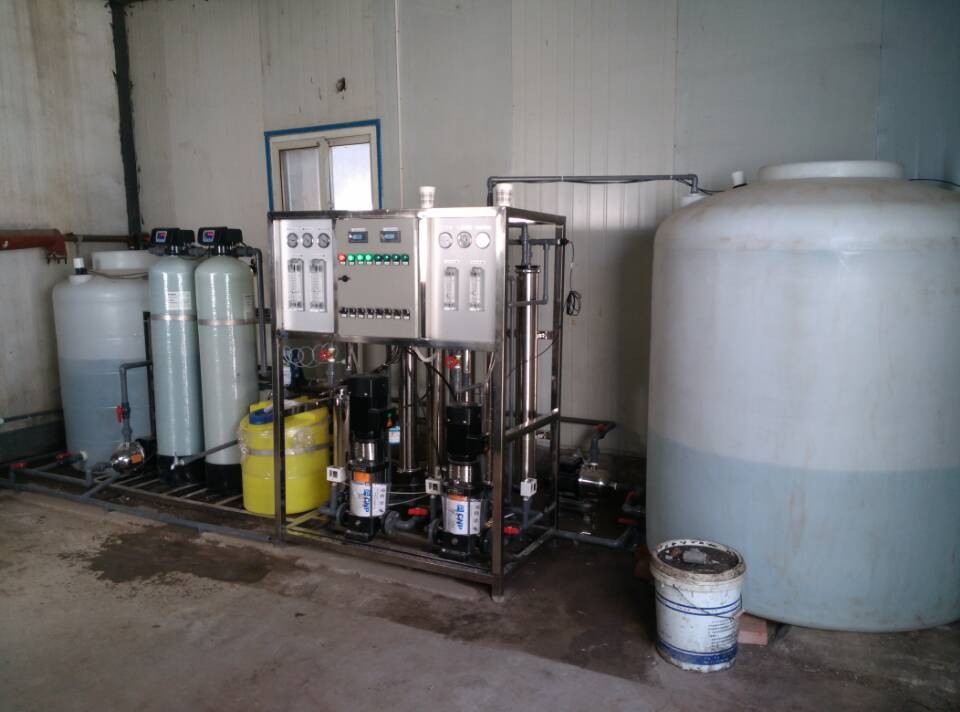
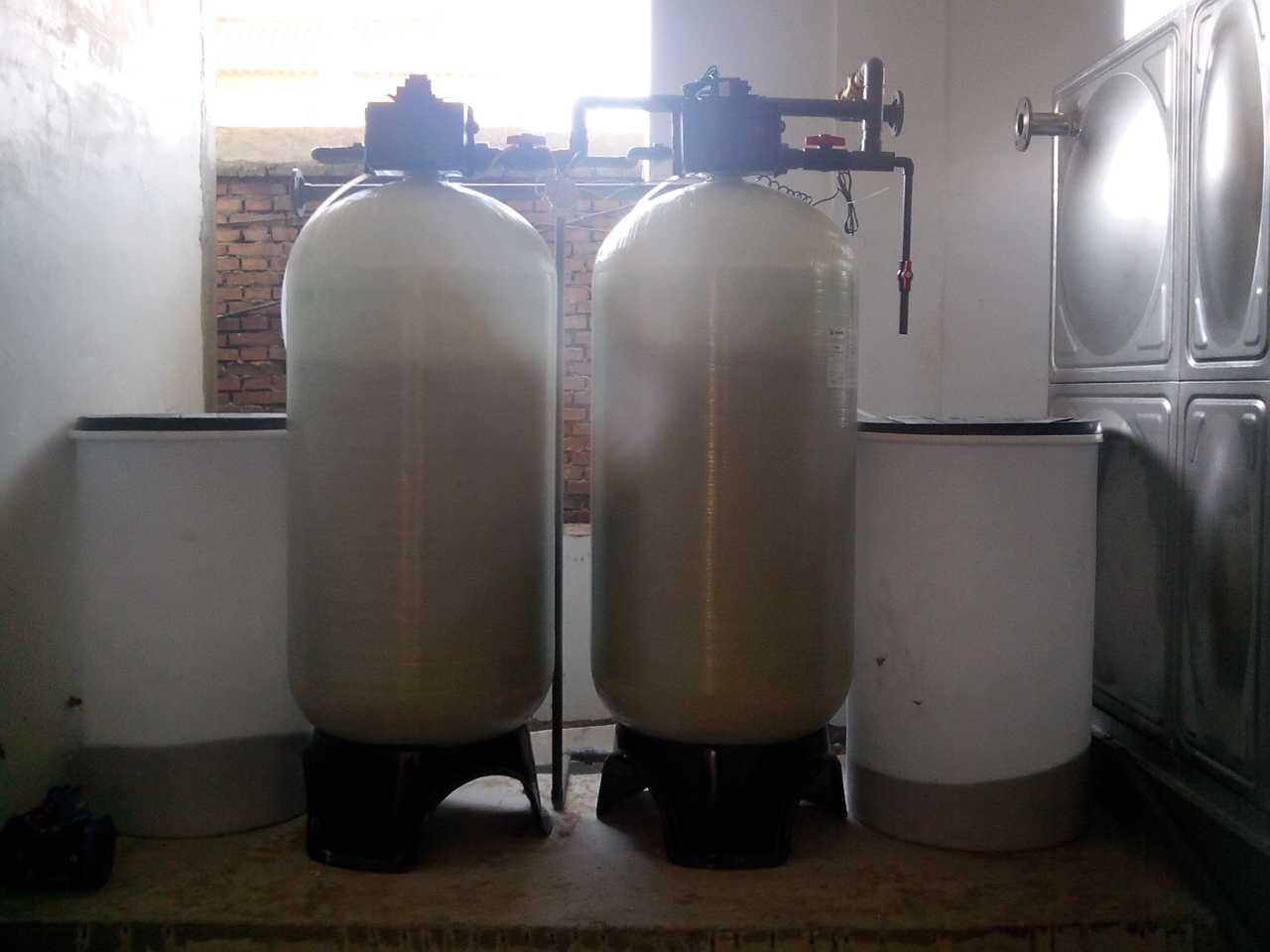
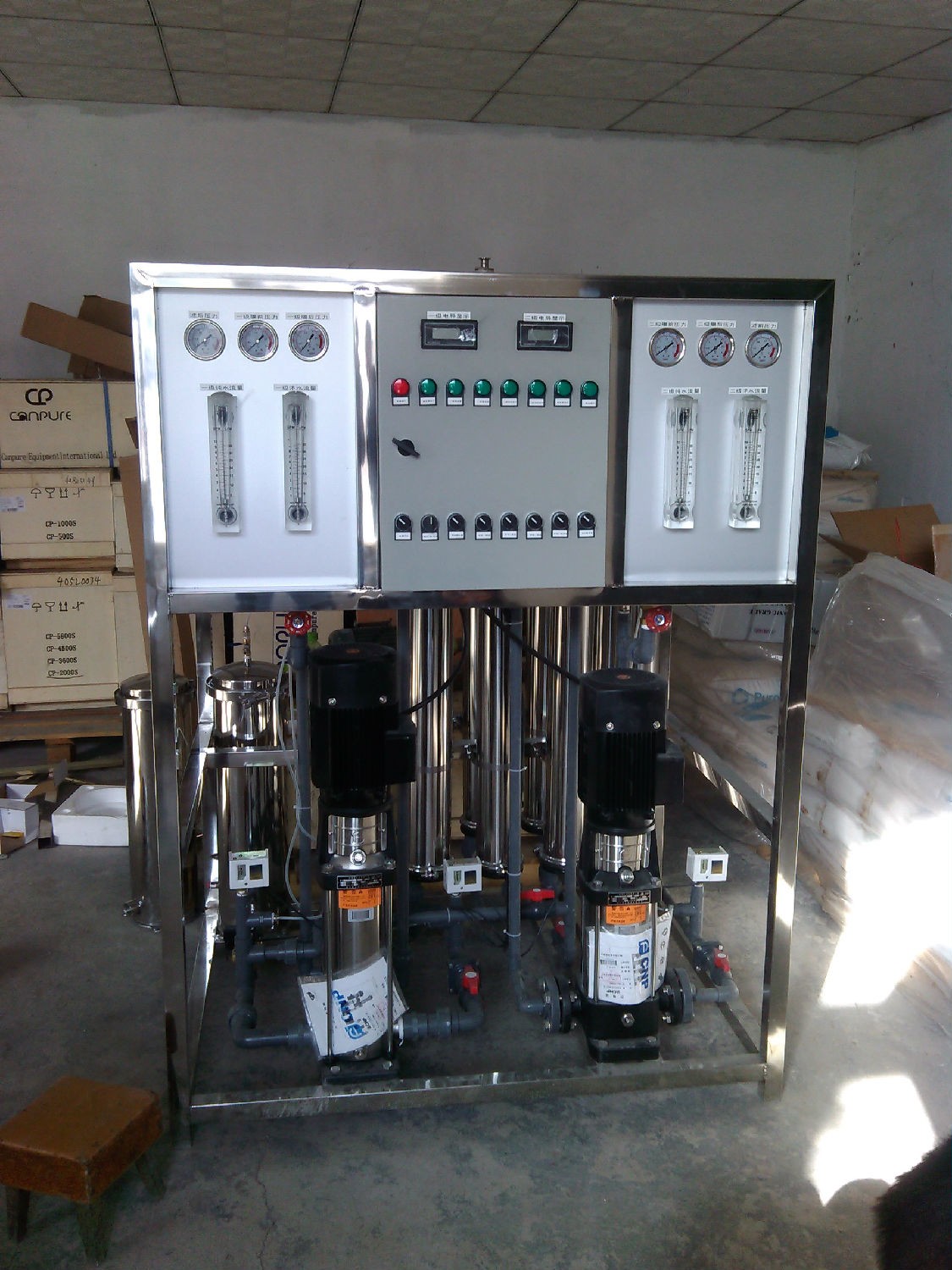
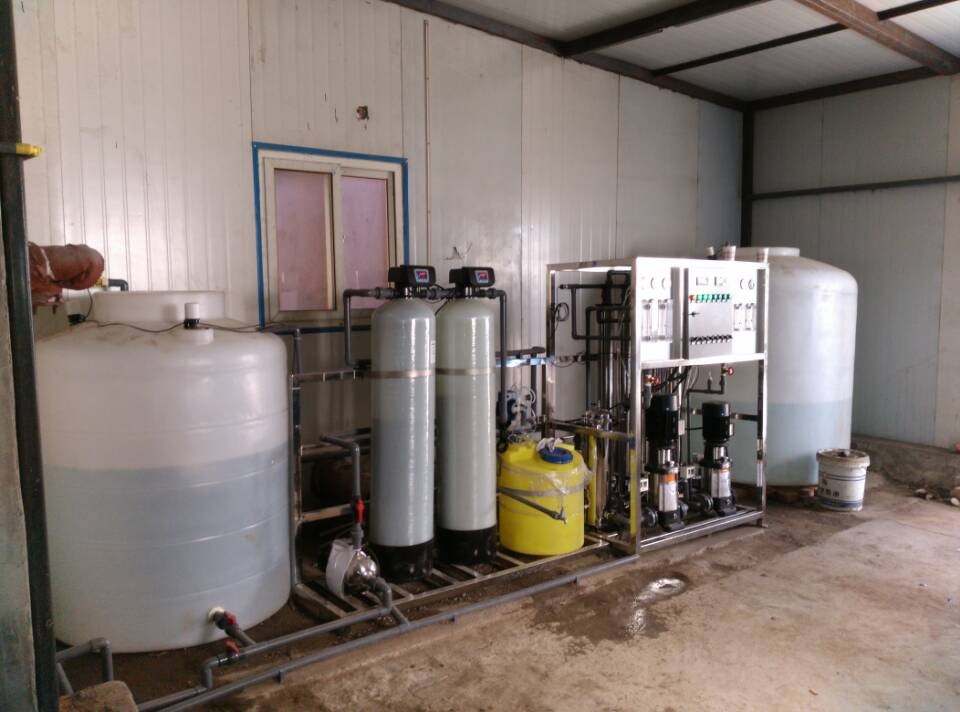
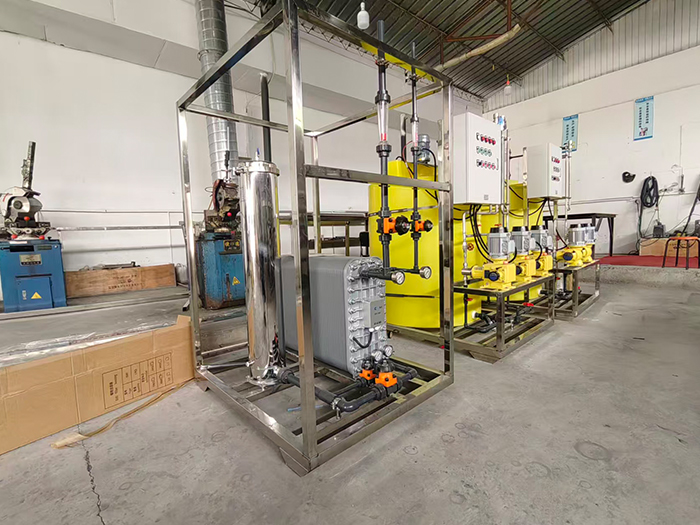
Yuan LaiEDIThe ultra-pure water equipment uses electro-deionization technology.EDIElectrodeionization is a water purification method that combines the dual advantages of electrodialysis and ion exchange. It does not require acid-base chemical regeneration and can continuously and stably prepare high-purity ultrapure water. Under the action of a direct current electric field, ion separation in water is completed. At the same time, water is electrolyzed to generate hydrogen ions and hydroxide ions, achieving automatic regeneration of the resin without the need to stop the machine for manual regeneration. The pre-treatment combined with reverse osmosis can prevent oxidized substances from damaging the resin, ensuring stable effluent quality and widely meeting the high-standard water usage requirements of various industries.
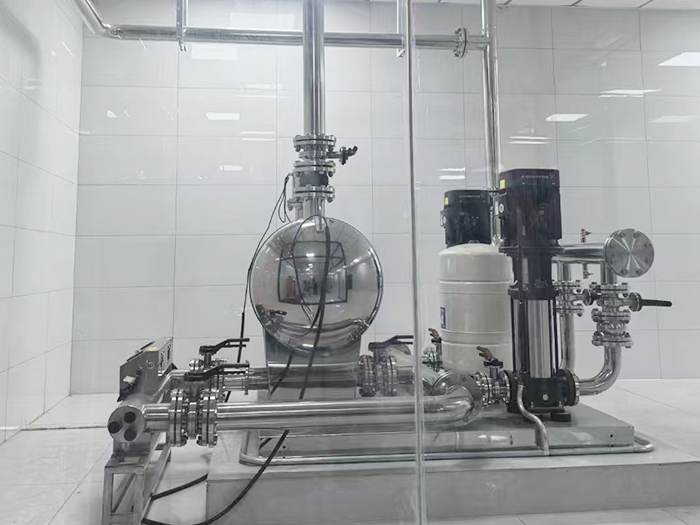
The non-negative pressure water supply equipment can be directly connected to the municipal water supply network, making full use of the residual pressure of the original network for superimposed water supply. Fully enclosed operation does not require the construction of a domestic water tank, eliminating secondary pollution. Intelligent variable frequency voltage stabilization, energy-saving, quiet and easy installation, it is the preferred equipment for secondary water supply in high-rise residential buildings and commercial buildings.
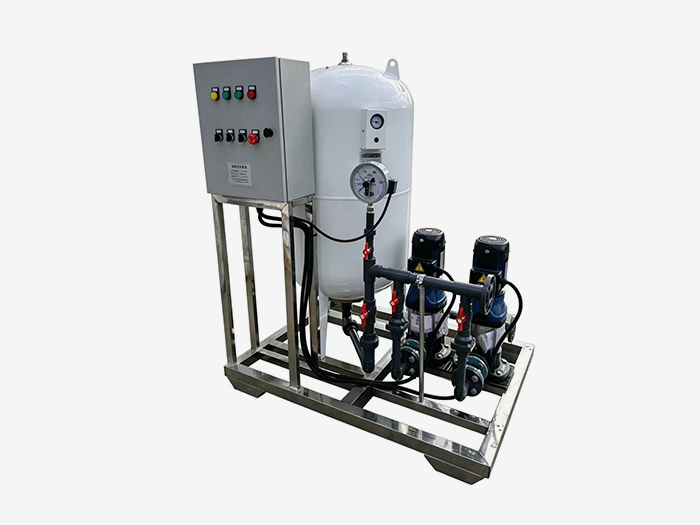
Constant pressure water supply equipment is widely used in central air conditioning, floor heating, industrial closed-loop water circulation, and boiler systems. It integrates automatic pressure stabilization, automatic water replenishment, automatic exhaust, pressure relief and buffering functions. It stabilizes the pressure in the pipeline network, eliminates abnormal sounds caused by air blockage, and prevents damage from negative pressure and water shortage in the pipeline. It is an essential supporting equipment for HVAC and circulating water systems.











 Landline:+86 010 59792055
Landline:+86 010 63780188
 Mobile:+86 13910114728
 Email:bjyuanlai@163.com
 Email:Wanda Plaza, Fengke Road, Fengtai District, BeijingBseat6Courtyard No.3Building No.7layer708
Yuanlai Homepage Softened water equipment Reverse osmosis pure water equipment Water supply equipment Engineering case Technical service Enter Yuanlai Site map
Softened water equipment Reverse osmosis pure water equipment Water purification equipment Water supply equipment Automatic dosing equipment High-purity water (ultra-pure water) equipment Wholesale of water treatment accessories
Electric power industry Petrochemical industry The electronic semiconductor industry The photovoltaic new energy industry Pharmaceuticals & Biochemical Engineering School research units Food and beverage industry Enterprises and public institutions
Reverse osmosis membrane Star-counting pump Fleck Valve Runxin Valve Instruments and meters Ultrafiltration membrane Softening resin Resin tank
